


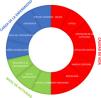

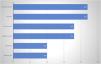
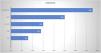



El lupus eritematoso sistémico (LES) es una de las enfermedades autoinmunes sistémicas más frecuente. Presenta una clínica heterogénea y puede generar daño irreversible. Sus manifestaciones clínicas varían a lo largo del tiempo, afectando a diferentes órganos. Esta variabilidad hace que sea complejo pero necesario monitorizar, de forma estandarizada y objetiva las manifestaciones de la enfermedad a través de instrumentos validados que determinen el grado de actividad y el daño asociado a la enfermedad.
ObjetivoDefinir, a través de un consenso nacional, la estandarización de la medición de resultados en salud en el LES con el objetivo de mejorar el control integral de los pacientes con esta enfermedad.
ConclusionesLa medición de resultados en salud en tres grandes dominios: actividad de la enfermedad, carga de la enfermedad y calidad de vida (CV), podría ayudar a mejorar el control de la enfermedad de los pacientes con LES desde una perspectiva integral así como obtener información sobre los objetivos terapéuticos establecidos y, por tanto, permitiría tomar mejores decisiones clínicas.
Systemic lupus erythematosus (SLE) is one of the most common systemic autoimmune diseases. It presents with a heterogeneous clinical picture and can cause irreversible damage. Its clinical manifestations vary over time, affecting different organs. This variability makes it complex but necessary to monitor, in a standardised and objective way, the manifestations of the disease through validated instruments that determine the degree of activity and the damage associated with the disease.
ObjectiveTo define, through a national consensus, the standardisation of the measurement of health outcomes in SLE with the aim of improving the comprehensive control of patients with this disease.
ConclusionsThe measurement of health outcomes in three major domains: disease activity, disease burden and quality of life, could help improve the control of the disease in patients with SLE from a comprehensive perspective, as well as obtaining information on the established therapeutic objectives and therefore allowing better clinical decisions to be made.